

Maintenance, Instrumentation & Reliability Engineering
Root Cause Analysis using Tripod Beta Method

Machinery Failure, Vibration & Predictive Maintenance
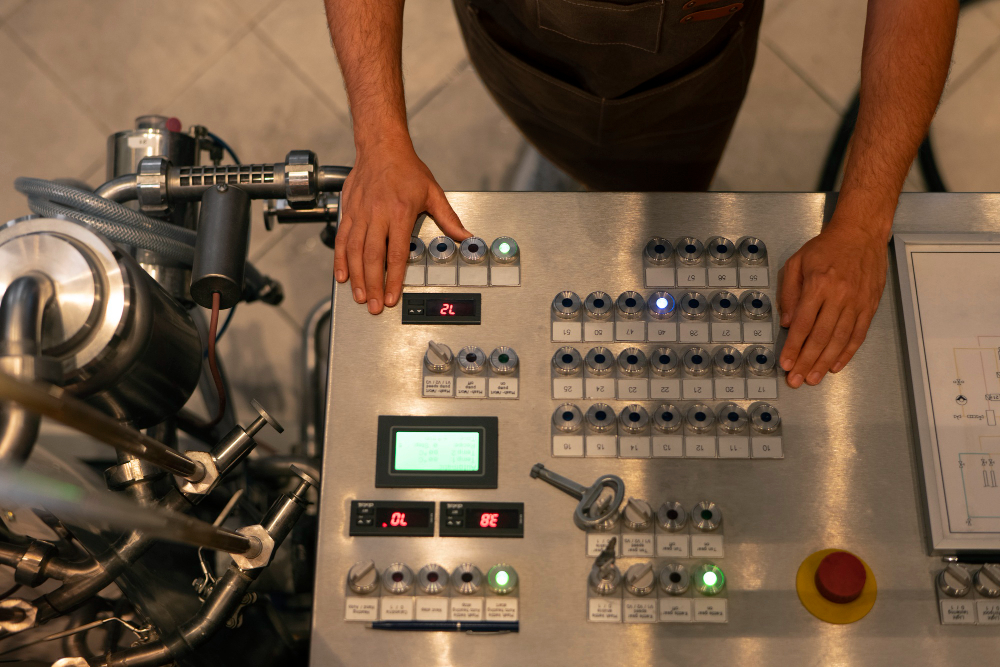
Process Control Valves and Actuators
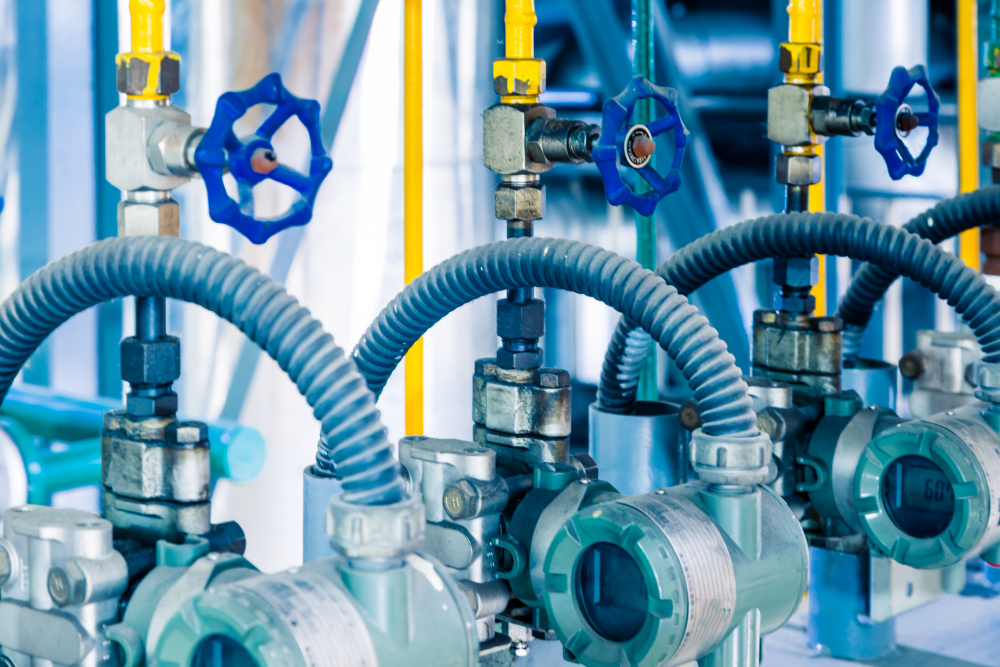
Root Cause Failure Analysis

Shipping & Port Terminal Management

Reliability Centered Maintenance

Process Control & Instrumentation

Mechanical Maintenance Skills

Managing Efficient Shutdown & Turnarounds
Management Skills for Engineers

Boost Efficiency with Maintenance and Reliability Engineering Training
Strengthen System Performance with Reliability Engineering Courses
- Study patterns of equipment failure
- Analyze data to find risks before problems occur
- Apply strategies that increase the life of machines
- Use effective methods like Failure Mode and Effects Analysis (FMEA)
- Plan for maintenance that reduces breakdowns
Solve Problems Effectively with Root Cause Analysis Courses
- Break down problems to find the real cause
- Use structured tools like the “5 Whys” and cause-and-effect diagrams
- Understand how systems and human factors contribute to errors
- Apply permanent solutions, not just temporary fixes
- Improve communication and teamwork during investigations
Improve Maintenance Strategies for Long-Term Equipment Health
- Choose the right maintenance types (preventive, predictive, or reactive)
- Use maintenance software to track schedules and performance
- Monitor conditions such as vibration, temperature, or pressure
- Create clear checklists and maintenance plans
- Train teams to respond quickly and correctly
Enhance Control Systems with Instrumentation and Calibration Skills
- Understand how instruments work
- Install and maintain sensors and transmitters
- Perform accurate calibration to meet standards
- Troubleshoot control system errors
- Keep equipment operating within safety limits
Align Engineering Processes with Safety and Compliance Standards
Safety and compliance are essential to protect workers, equipment, and the environment. Failing to meet safety or legal standards can lead to accidents, shutdowns, or fines. By making safety a key part of the engineering process, companies build trust, avoid accidents, and stay legally compliant. These skills are valuable for engineers, safety officers, maintenance leads, and anyone managing technical operations. The root cause analysis courses help teams:
- Understand key safety standards and guidelines
- Perform safety risk assessments and hazard analyses
- Create procedures that reduce the chance of accidents
- Maintain proper documentation and audit trails
- Keep up with national and international compliance rules
Who Should Take These Courses?
- Maintenance and mechanical technicians
- Reliability and systems engineers
- Instrumentation and control technicians
- Health and safety officers
- Plant and production managers
- Operations and facility supervisors
Why Choose MTCTCL?
MTCTCL is a trusted name in professional and technical training. By focusing on workplace needs, hands-on activities, real business challenges, and the latest industry practices, learners get training they can apply immediately. Each course is carefully designed to simplify technical topics, even for non-experts.
What MTCTCL Offers
MTCTCL provides the following benefits:
- Industry-Experienced Trainers – All instructors have real working experience.
- Practical Content – No fluff—only relevant and valuable knowledge.
- Flexible Delivery – Courses are available both in-person and online.
- Updated Learning – Stay current with the latest tools and standards.
- Supportive Environment – Help is available every step of the way.
Invest in Skills for Safer, Smarter Operations
- Increased equipment uptime
- Better system performance and lifespan
- Fewer workplace accidents
- Lower maintenance costs
- Greater employee confidence and teamwork
FAQ
- What topics are covered in your reliability engineering courses?
- Why is root cause analysis important in engineering?
- Are these courses suitable for plant engineers and technicians?
The reliability engineering courses cover practical topics that help keep machines and systems running smoothly. Participants learn how to reduce equipment breakdowns, improve system performance, and plan better maintenance. Key issues include failure analysis, condition monitoring, maintenance planning, and how to make machines more reliable over time.
Root cause analysis is essential because it helps teams discover why a problem happened, not just fix the surface issue. Instead of making a temporary repair, this approach helps identify the main reason for a failure so it can be fully resolved. At MTCTCL, learners are guided with clear and straightforward ways to do root cause analysis, helping teams prevent the same issues from happening again.
The courses offered by MTCTCL are an excellent fit for plant engineers, technicians, and anyone working with machines or equipment. The training is hands-on and designed to match real workplace situations. Whether someone is new to the job or has years of experience, they will find valuable tools and knowledge they can apply immediately.